Lesson Note on Agricultural Science JSS 2 Third Term
Agricultural Science Elearning Notes for JSS2 Third Term – Edudelight.com
SCHEME OF WORK AGRICULTURAL SCIENCE THIRD TERM JSS2
- Revision of last term’s work
- Fishery: Meaning and Importance
- Classification of Fishes
4 Establishment of Fish Pond
5. Method of Fishing
6 Forest: Meaning and Types of Forest
7 Forest Resources and their uses
8. Effect of forest on the Environment
9. Human activities that affect the forest
10. Revision
11 – 12 Examination
REFERENCES
- Junior secondary agriculture for Nigerian Schools BK 2 by A. Youdeowei, S.O Adesiyan, J.N Ogbazi, Terry Olowu et al.
- Junior secondary agriculture for Nigerian Schools BK 3 by A. Youdeowei, S.O Adesiyan, J.N Ogbazi, Terry Olowu et al.
- Essential Agricultural Science for Senior Secondary Schools.
WEEK ONE
TOPIC: REVISION OF LAST TERM’S WORK
- Feed that contain high proportion of nutrients and low proportion of fibre and water are
A. Concentrates B. Roughages C. Succulents D. Carbohydrates
- The following are mineral elements except A. Chromium B. Potassium C. Oxygen
D. Sulphur
- The chemical symbol for calcium, carbon and chromium is A. Ca, C, Cr B. ca, c, cr
C. CA, C, CR D. CA, C, Cr
- Which of the following disease is characterized by the enlargement of bowel A. Kata
B. Bloat C. Coccidiosis D. Diarrhea
- Which of the following is not a method of preventing disease A. Isolation of sick animals
B. Preventing animals from lying on cold floor C. Spraying or dipping animals in insecticides D. Administration of drugs indiscriminately
- The signs of the presence of disease in an animal is referred to as A. Signs B. Signals
C. SymptomsD. Behaviours
- Frequent defecation in farm animals is referred to as A. Diarrhea B. Anorexia
C. Anaemia D. Pneumonia
- Ringworm is a ____ disease A. Fungal B. Bacterial C. Protozoa D. Viral
- The causal organism of trypanosomiasis is ____ A. Tsetsefly B. Aphids C. Trypanosome
D. Earthworm
- Brucellaabortus is the causal organism for which of the following bacteria disease
A. Mastitis B. Anthrax C. Cowpox D. Contagious abortion
- Shortage of blood is also called A. Anaemia B. Fever C. Diarrhea D. Constipation
- Which of the following mostly affect the intestine of the birds A. Ringworm B. Cowpox C. TyphoidD. Contagious abortion
- The following are ecto parasites except A. Tick B. Mite C. Lice D. Tapeworm
- Feeds that are low in nutrient but high in fibre and not easily digested by animals is
A. Concentrates B. Roughages C. Succulents D. Manure
- The following are not easily digested by animal except A. hay, B. groundnut hulls
C. bean pods D. silage.
- ____ are required by the animals in large quantities A. Mega-elements B. Nano-elements C. Macro-elements. D. Micro elements.
- A _____ is a feed constituent that contains all essential nutrients in their appropriate quantities A. balanced ration B. imbalanced ration C. maintenance ratio D. diet
- The following are bacteria diseases except A. Anthrax B. Typhoid C. Mastistis
D. ringworm.
- Another name for contagious abortion is A. Anthrax B. Typhoid C. Mastistis
D. Brucellosis
- The following are symptoms of worm infection except A. Coughing B. Diarrhea C. Loss of weight D. tuberculosis.
SECTION B
- Differentiate between disease and symptom.
- List five common symptoms.
- List five general guidelines for prevention and control of animal diseases.
- List 3 bacteria and viral diseases each.
- Write short note on trypanosomiasis under the following headers i. Mode of transmission ii. Symptoms iii. Prevention and control
- List three animal feeding tools.
- List 10 mineral element and their symbols.
- List three types of feed and give two examples each.
- List four classes of feed nutrient with two sources each.
WEEKEND ASSIGNMENT
- Which of the following is a common symptom of disease in animal? a. uremia b. normal blood c. Anaemia d. increase food consumption.
- A change in the normal function or well-being of farm animals caused by another organism is known as ____ a. pest b. parasite c. disease d. symptoms.
- The following are mode of transmission of farm animal disease except a.Air (airborne)
b. Water c.direct contact with organism d. in-direct contact with organism.
- The following are bacteria diseases except a. Anthrax b. Typhoid c. Mastistis
d.ringworm.
- Which of these farm animal disease shows with the appearance of lesions on the skin?
a. ringworm b. cowpox c. mastitis d. anthrax.
THEORY

- State the mode of transmission, Symptoms, Method of prevention and control of the following; A. Mastistis B. Aspergillosis
- List types of protozoans diseases.
WEEK TWO
FISHERY
CONTENT
- Definition
- Importance of Fish Farming
Fishery is the term used to describe science of growing fish and other aquatic animals in natural or artificial water bodies, the processing and marketing of these organisms. Fish live in water bodies (e.g. ponds, lakes, oceans, seas, rivers), respire with the gills and possess fins for swimming. They are cold blooded animals because their body temperature changes with a change in the environment.
TERMS ASSOCIATED WITH FISH FARMING
Fry: young fish
Fingerling: newly hatched fish
Pond: artificial body of water where fishes are reared. It could be in plastic tanks, concrete structures or earthen structures.
Gears: equipment used for harvesting fish. It includes trawlers, nets, hooks, knifes, spear etc.
Fishing: the act of catching or harvesting fishes in natural water bodies.
Aquarium: this is a pond where fish are kept for entertainment, research or aesthetic purpose.
Aquaculture: this is the act of rearing selected aquatic organism (plant or animals) for food.
Pisciculture/Commercial fish farming: this is the act of rearing selected aquatic animals under specific conditions in enclosed or wild water bodies where they are grown, breed and harvested for consumption.
Examples of fish are cat fish, tilapia, croacker, herring (shawa), mackerel (titus), horse mackerel (kote), Alaska Pollock (stock fish/okporopo), argentinasilus (ojuyobo), blue whiting (panla), etc. other aquatic organism includes periwinkle, squid, oysters, prawn,
EVALUATION
- Define fishery.
- Mention five examples of cold blooded animals.
IMPORTANCE OF FISH FARMING
- They serve as source of food for man.
- They are included in animal feed constituent.
- Fish bones are used for manufacturing glues and fertilizers.
- Shells of some aquatic organism are sometimes mixed wit cement and sand to provide a strong and attractive structure.
- Oil obtained from some fish species are used as raw materials for manufacturing soap and medicine e.g cod liver oil.
- Scales of fish are used to make artificial pearl which can be worn as jewelries.
- Skin of some cartilaginous fishes such as shark has been used to produce leather materials called shagreen.
- Dried fish skin are sometimes used as glass-paper for polishing surfaces
- It serves as source of income to the farmer.
- It provides employment opportunity directly and indirectly e.g drivers, cold store owners, petty fish traders, aquarium owners etc.
GENERAL EVALUATION
- What do you understand by fishery?
- Differentiate between cold and warm blooded animals.
- Mention eight importance of fish farming.
READING ASSIGNMENT
Junior secondary Agriculture Bk 3 By A. Youdeowei, B.kKaigama, J.N Ogbazi, S.O Adesiyanpgs 93 and 101, Essential Agricultural Science 398 – 399.
WEEKEND ASSIGNMENT
- ____ is a very popular item consumed by many as a food supplements. A. Cod-liver oil B. Cod-bile oil C.liver oil D.Cod oil.
- Fish eggs which are salted and prepared for eating are called A.ShagreenB. Caviar
C.CanivarD. Smoked egg.
- Glues and fertilizers are produced by using ____ A. shells of oysters B. Fish bones
C. Scales of fish D. Cod-liver oil.
- ____ contains pearls which are polished and worn as jewellery.A. Oysters B. Crocodile C. Turtle D. Lobsters.
- The skin of sharks are dried and specially treated to produce very special leather called
A. Shannon B.ShagreenC.ShagreyD. Shy green.
THEORY
- What is fishery?
- State and explain four importance of fish farming.
WEEK THREE
FISHERY
CONTENT
- Classification
- Adaptive features of fishes
CLASSIFICATION
Fish can be classified broadly into classes:
- According to Habitat
- According to morphology (body structure)
ACCORDING TO HABITAT
Habitat refers to the environment in which an organism lives. Fish lives in three types of water habitat:
- Fresh water
- Salt water
- Estuarine or brackish water habitat
FRESH WATER
This is a type of water that does not contain salt e.g springs, rivers, ponds, lakes e.t.c. examples of fish in this habitat are: electric fish, moon fish, cat fish, tilapia, crabe.t.c.
SALT WATER / MARINE HABITAT
A water body that has salt taste is called salt water. E.g oceans and sea, examples of salt water fish are: Mackerels, sharks, herring, sardine, cod (stock) fish, salmon, whales etc.
ESTUARINE/ BRACKISH HABITAT
Estuaries are sections of rivers that meet the sea, a place where salt and fresh water mix. The salt water of this habitat is in between that of fresh and marine water habitat. Fishes may not permanently live in this habitat, they migrate from fresh or salt water into the estuaries. An example in this category is mudfish.
EVALUATION
- What is a habitat?
- Mention and explain the types of water habitat you know.
ACCORDING TO MORPHOLOGY
Body structure/nature of bone
Fish can be classified into 2 based on the nature of their bone:
- Bony fishes: they possess bony skeleton made of real bones e. g Tilapia, catfish, herring, mudfish, etc.
- Cartilaginous fishes:possess soft bones or cartilages called biscuit bones e.g. shark, dogfish, dolphin, etc.
Other types of aquatic organisms
Aquatic animals are creatures that live in water. They include fishes and other aquatic animals which are of two classes:
- Invertebrates e.g.
a) Crustaceans e.g. shrimps, crayfish, crabs and lobsters.
b) Molluscs e.g. clam, octopus, oysters, periwinkles, and squid.
- Vertebrates e.g.
a) Mammals e.g. whales, dolphin.
b) Reptiles e.g. snakes, crocodile, turtle.
c) Amphibian e.g. frog, toad.
ADAPTIVE FEATURES OF FISHES
- Streamlined body shape to move freely in water.
- Possession of gills for gaseous exchange in water.
- Possession of fins or swimming.
- Possession of air filled sacs called swim bladder to maintain a level of buoyancy and stay at their current water depth.
- They are cold blooded.
GENERAL EVALUATION
- Classify fish according to habitat.
- List two examples of aquatic invertebrates.
- Mention five examples of aquatic vertebrates.
READING ASSIGNMENT
Junior secondary Agriculture Bk 3 By A. Youdeowei, B.kKaigama, J.N Ogbazi, S.O Adesiyanpages, Essential Agricultural Science by O. A. Iwena page 400.
WEEKEND ASSIGNMENT
- Which of these is not an example of bony fish? a. shark b Tilapia c. Cat fish D. Mackerel
- Classification of fish according to habitat is ____ and ____.
- Newly hatched fish used in breeding adult fishes are called? A. Fingerlings b. Prey C. Ray D. Tadpoles
- The following are uses of fish and other aquatic animals except A, Food B. Leather
C. Metal D. Polish
- Which of the following is not a reptile? A. Lobster B. Crocodile C. Snake D.Turtle
THEORY
- What are cartilaginous fishes?
- Explain fresh water fishes and bony fishes.
WEEK FOUR
TOPIC: ESTABLISHMENT OF FISH POND
CONTENT
- Definition and types of fish pond
- Features of a standard fish pond
- Factors to be considered before the establishment of fish pond
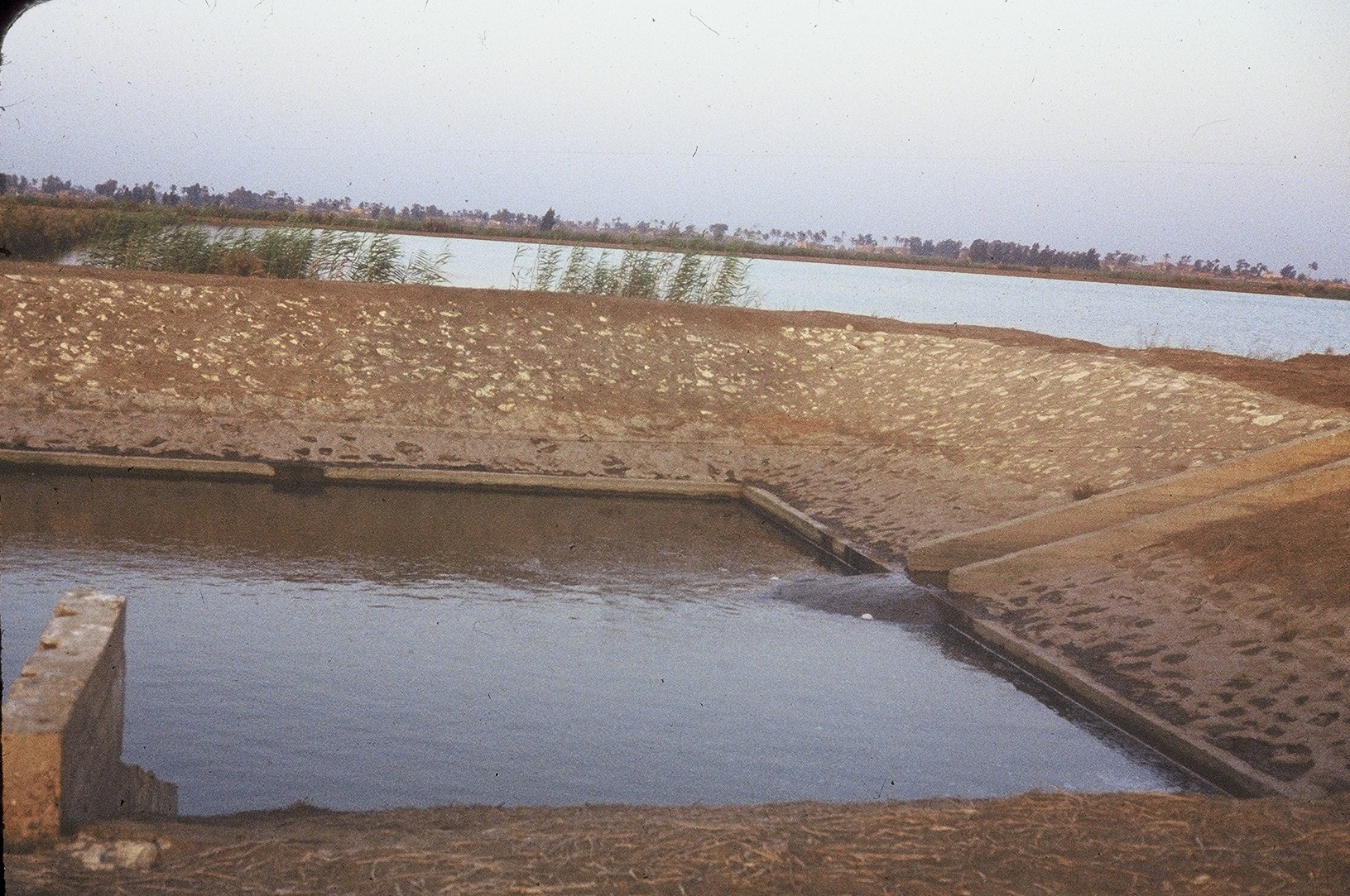
A fish pond is an artificial body of water in which fishes are reared for commercial purposes. It is a confined body of water where fishes are raised under controlled conditions. Fish can also be raised in plastics, fiber stars and wooden rafts.
There are three types of pond:
EARTHEN POND
This involves digging the soil usually clay (25 %clay) to a depth ranging from 0.5 – 1.0 m at shallow end and 1.5 – 2.0m at the drain end to raise fish. Pond can be of any shape as long as it is well constructed. However rectangular or square shapes are considered the best. This is usually practicable in swamping environment. This rule away the problem of water maintenance as there is natural flow in and out of water in the pond
CONCRETE POND
Here, 4-5 coaches of blocks are used to construct the pond above the ground level, using cement, sand and gravel in ratio 1:2:4 respectively with water. The pond floor should be well concreted to a thickness between 7.5cm- 10cm. Wall should be plastered to a thickness of 5cm. Water tap should be well connected to allow free flow in and out of water. This particular type has the advantage of you monitoring the hygiene of your fishes.
3. PLASTIC POND
Pond construction is expensive and this has led many entrants to fish farming in Nigeria to build
concrete tanks or to buy plastic tanks as production units. These are smaller units but are
believed to be easier to manage as production units. Nigerian farmers have limited land and tank fish farming adapts well to their conditions than larger, more expensive earthen ponds. It is also noted that the quantity of fish harvested from such smaller production units is more easily marketed than harvests from large fish ponds. There are different shapes and sizes of tanks used, as shown below:
FEATURES OF A STANDARD FISH POND
A standard fish pond should possess the following structures. These structures includes
- Dam
- Core trench (barrier to foreign materials)
- Distribution channel
- Spillway (passage of water flow over and around a dam)
- Monk (water inlet)
- Board (to regulate flow of water)
- Screen (stop move of fishes into or out of the pond)
FACTORS TO BE CONSIDERED BEFORE THE ESTABLISHMENT OF FISH POND
- Adequate water supply water could be from boreholes, streams or lakes. Gravity flow water is cheapest and best source. The water must be unpolluted, uncontaminated. Borehole waters can be excellent, but may costly to pump and may require conditioning to remove carbon dioxide and improve oxygen content and temperature levels. Open waters from canals and streams may be polluted or be contaminated from runoff from farm lands or towns.
- Soil in the area: Soil with enough clay content to hold water. Clay and silty clays are excellent soils for holding water because they stop water from seeping through. Clay should make up at least 20-25% of the soil. The soil should be checked for residual chemicals from previous farm activities which could have effect on the fish health.
- Vegetation of the area
- Topography of the area: Topography that allows for economical construction. It directly affects building costs and pond management. Pond should be constructed where enough water can be impounded with the least amount of earth fill. Areas with large shallow water should be avoided because they become too shallow to use during the dry season.
- Availability of fast growing fish species
- Availability of supplementary feedstuff
- Nearness to market: There should be a fish market near-by to allow for high capacity of sale of fish from pond harvests. The market requirement is the first requirement for locating a fish farm. This will further help address issues relating to transportation of the fish to the market.
STEPS IN ESTABLISHING FISH POND
- Site selection
- General survey
- Clearing and stumping of site
- Construction of dam
- Construction of core trench
- Construction of spill way
- Impoundment of pond
- Liming: This involves the addition of limestone or calcium carbonate powder to the sides and bottom of the pond to seal pores and prevent water loss.
- Pond fertilization: This is done by pouring organic fertilizers such as poultry droppings, cow dung or in-organic fertilizers such as N:P:K or super phosphate. Pond fertilization should be done 15 days before stocking pond with water.
- Pond inoculation: This is the introduction of proper planktons species into the pond. This is done by obtaining some water from a plankton rich pond and pour into a newly fertilized pond.
- Stocking of pond: This is introduction of the newly hatched fish called fingerlings or fries into the pond.
EVALUATION
- Define the following:
- Site selection
- General survey
- a. Which soil is best used for dam construction?
b. State four properties of the soil
STEPS IN CONSTRUTING A FISH POND
- Choose a suitable site considering nearness to market, road accessibility, topography, soil type (clay), availability of feed supplement etc
- Clear the vegetation on the land
- Mark out pond area
- Dig out pond to required depth (1-2m) ensure pond bottom slops towards outlet to help drainage during harvesting
- Construct drainage system consisting of outlets and ditches
- Construct water inlet at the shallow end.
- Construct pond wall with mixture of clay and sand
- Seal pond bottom with clay
- Grass the embarkment to prevent soil erosion
- Construct duke around the pond mouth to prevent inflow of run-off water.
- Fence pond with net to ward off pests.
EVALUATION
- a. Mention four factors that should be considered when siting a fish pond
b. Explain six ways of maintaining a fish pond.
- Describe the construction of a fish pond.
- State three factors that influences the choice of suitable site for fish.
MAINTENANCE OF FISH POND
To ensure the continuous availability of fish in a pond or to maintain high yield of fish, the following activities should be carried out:-
- Regular feeding: The fish should be fed twice daily from a selected point. Supplementary feeds should be given in sufficient quantity to ensure rapid growth and early maturity of the fish.
- Constant water supply: The pond should be supplied with water to the fullest. The water should be clean and free of odour.
- Deweeding: Weeds should be removed from the pond. This allows the dissolution of oxygen, penetration of sunlight to the bottom of the pond for the use of the planktons and preventing the buildup of pests and diseases in the pond.
- Aeration: Adequate aeration should be provided as it enables oxygen to dissolve in water which is required by fish for respiration. Fish normally comes to the surface due to little or no oxygen in the water in some ponds.
- Desilting: This is the removal or prevention of silt from entering the water. Desilting promotes easy movement of water, makes the water to be clean and prevent pollution of the water.
- Control of predators: Predators like snakes or birds should not be given access to the pond as they could eat up the fishes on the pond surface.
- Disease prevention: Disease should be prevented by adequate feeding, stocking, weeding, manuring of the pond. Sticking to these measures will prevent the attack of diseases.
- Application of fertilizers: Fertilizers should be applied once in a month as this promotes the growth of planktons in the pond.
- Regular Harvesting: Fish should be harvested regularly to prevent over population, outbreak of disease and cannibalism.
EVALUATION
- Explain the following terms: a. Site selection b. General survey
- Which soil is best used for dam construction?
- State four properties of the soil
READING ASSIGNMENT
Junior Secondary Agriculture Bk 3 By A. Youdeowei, B.KKaigama, J.N Ogbazi, S.O
Adesiyanpgs 88, Essential Agricultural Science 254-259.
GENERAL EVALUATION
- What are the factors to be considered before establishment of fish pond?
- Explain any five mentioned above.
WEEKEND ASSIGNMENT
- This addition of limestone or calcium carbonate powder to the sides and bottom of the pond to seal pores and prevent water loss is called a. pond fertilization b. pond inoculation c. liming d. limming.
- Baby fish are otherwise known as a. planktons b. tadpoles c. fingerlings d. diatoms
- The best preferred soil used in dam construction is known as a. loamy b. clay c. sandy
d.none of the above.
- Awood and wire-meshed screen is use to construct a. core trench b. spill way c. dam d. spill trench.
- N:P:K means a. Nitrogen, phosphorus and potassium B. Nitrogen, potassium and phosphorus C. Nitrate, phosphate and potash D. Neon, potassium and phosphorus.
THEORY
- Differentiate between pond fertilization and Pond inoculation
- Mention five examples of bony fishes.
WEEK FIVE
TOPIC: FISHING METHODS
CONTENT
- Fish harvesting
- Methods of fish harvesting
- Preservation of fish
- Processing of fish
FISH HARVESTING
Fishing methods involves the use of different techniques or equipments use in harvesting fishes.
Harvesting is the collection of fish from a pond for consumption, preservation or for sale.
Methods of Fish Harvesting
Fishing methods involves the use of different techniques or equipments use in harvesting fishes.
- Netting: This involves the use of nets to catch fish. Examples of nets include gill nets, clap net, trawl net, scoop net, beach seines, drag net, drifting or floating nets, cast nets etc. Nets are woven to various sizes and thickness and are thrown into water to catch fish. Each type is used differently. Nets: These are made from fine cotton or nylon, the thread is lowered into the water. Small weight made of lead is attached to the edges of the net which help them to sink to bottom of the water. When net is pulled up, it encloses many fishes which are then caught between the holes called meshof the net.
- Trapping: This is setting of traps to catch fish. Gears made from ropes or raffia are woven into various sizes for capturing fishes. The traps are set along water courses and any fish that comes into them is trapped. There are many types of fish traps which can be made either from bamboo, canes, raffia, oil palm or coconut palm fronds or wire and wire mesh.
- Hooks and Lines: This involves the use of hooks tied to strings then set along water course. The hooks are baited with food to attract the fish.
- Use of Ultrasonic: This is an instrument that makes sound in the water to attract fishes. Other means of harvesting like net can later be used to pack them.
- Electro fishing: This is the use of electric field connected to the water to make the fishes become electrocuted. It can only be used for total harvesting of fish.
- Impaling: This involves the use of spears or harpoons or any sharp objects (wounding equipment) to attack and catch big fishes e.g. shark.
- Pots and Gourds: Some fishermen who fish in ponds and shallow lake, place clay pot and gourds in water to caught the fish when fish enter them.
- Screen or barriers: Screens made with bamboo, raffia or oil palm fronts are used to enclose portions of shallow water. When fish enters the trap/enclosed areas at high tide, it cannot escape at low tide when water is reduced, hence they are collected.
- Fishing without equipment: Some aquatic animals can be caught without any kind of fishing equipment. They are picked up by hand having driving to the mud and plants on which they are attached by water current. Examples are periwinkles, oysters, and clams.
PRESERVATION OF FISH
This process involves keeping harvested fish long enough to ensure they maintain a very level of freshness before consumption. Preservation prevents spoilage, injury or destruction and this keeps the fish in edible condition for a long time. Harvested fish if not well stored will get spoilt and cause great loss to the farmer hence the need to elongate its shelf life. Preservation can be carried out in any of the following ways:
- Salting/Curing: Application of salt in the fish which prevents the growth of spoilage organisms should be practiced. Well salted fish can stay long without spoilage provided the fish was originally fresh.
- Smoking: This is the drying of fish over fire. This reduces the moisture content and improves the taste and flavour of the fish. It also gives colour to the fish. It is necessary that the fish be constantly reheated and aerated and kept away from flies to make it fit for consumption.
- Canning: This involves the storage of the processed and consumable fish in cans under special conditions for future consumption and sealing the cans so that air cannot pass into them. For example Geisha, Sardine etc.
- Sun Drying: This involves the drying of fish using the direct heat from sun called solar energy. Here, the fish can only be stored for a short time. It is common in the Northern Nigeria. It is simple and slow. It is not easily practiced in Southern part because of high humidity.
- Freezing/Refrigeration: This is called chilling. This involves the use of cold storage like deep freezers and refrigerators to store fish over a long time at very low temperature, where bacteria become inactive until the fish are needed. Storage can be done as long as possible provided the system is on.
- Conversion to feed meal: Parts of fish (especially parts that are damaged or not good for human consumption) are dried and ground into powder known as fish meal. This is used as essential ingredients of livestock feeds. Fish meal is useful to farmers in raising livestock.
- Roasting: this involves burning fish over naked fire for a short moment.
- Icing: this involves lacing ice block over harvested fish in a container this method is temporary.
- Steam cooking: this involves cooking harvested fish over hot steam.
- Irradiation: this involves the treatment of fish non harmful dosage of ionizing radiation this helps to slow down or halt spoilage by retarding enzymatic action and or destroying microbes.
Some of the aim of preservation is:
- To retain the quality and quantity of fish.
- To increase the shelf life of the food.
- To develop different types of fish food.
- To maintain all season supplies.
- To avoid spoilage caused by micro-organism.
PROCESSING OF FISH
Processing is the changing of food material fish from one form to another. It involves the removal of inedible part and changing the fish from one form into a preservable form. These are examples of things removed during processing gut, scales, gills, bones, and fins. By product of fish processing includes fish meal, fish scale, cod liver oil and fish skin.
Reading Assignment
Junior Secondary Agriculture Bk 3 By A. Youdeowei, B.KKaigama, J.N Ogbazi, S.O Adesiyanpgs 88, Essential Agricultural Science 403 – 406.
GENERAL EVALUATION
- What are wounding equipments?
- State four examples of wounding equipments.
- Describe the following: traps, screen, trawlers, gears.
WEEKEND ASSIGNMENT
- Which of these is not wounding equipment? A. net B. spear C. hook and line D. arrow.
- Throw net is used by ____ A. industrial fishermen B. town fishermen C. canoe fishermen D. backyard fishermen.
- A ____ when added to the sides and bottom of pond helps to seal pores and prevent water loss. A. N:P:K B. Limestone C. Urea D. Poultry droppings
- Example of water habitat that can be caught without the use of equipment are______
A. periwinkle B. turtle C. oyster D. clam.
- A ____ is anything that attracts the fish into trap set for the fish A. bat B. bait C. food
D. sweet.
THEORY
- List five types of net you know.
- Describe how to use a gourd to harvest fish.
WEEK SIX
FOREST
CONTENT
- Definition
- Importance
- Types
A Forest can be defined as a large expanse of land covered with trees and bushes which are either growing wild or established by man for some purposes which also serves as habitat to some animals.
A forest is made up of trees. Growing under the trees are shrubs, herbs, lower plants and microscopic organisms in the soil. Forests contain a complex community of plants and animals.
Forestry is the management of forest and forest resources.
Silviculture is the growing and cultivation trees.
COMMON FOREST TREES
Common forest trees found in the forest are Iroko, Obeche, Mahogany, Nigerian walnut, Ebony, Camwood, Opepe, Afara, Teak and Abura.
IMPORTANCE OF FOREST
Forests serve many useful purposes which include:
- Provision of major human needs such as fuel and wood
- Provides Recreational centres or reserves
- Increase soil fertility
- Prevention of soil erosion
- As a source of revenue to government
- Licensed hunters search for and hunt wild animals in forests.
- Forests provide employment and career opportunities
EVALUATION
- Define a forest
- Mention five importance of forest.
TYPES OF FOREST
The vegetation in Nigeria is divided into three major types,
- Forest.
- Savannah.
- Montane
However, Forest vegetation is divided in three zones:
ZONE 1: COASTAL FOREST AND MANGROVES
This zone is found along coastal creeks, estuaries and lagoons. Different varieties of the red mangrove tree(Rhizopheraracemosa) are common in this vegetation. However, in many areas, the coastal vegetation is now dominated by palm trees and lianas (climbing and twining plants).
ZONE 2: DELTAIC SWAMP AND MOIST LOWLAND FOREST
This is a fresh water swamp forest zone. It occurs extensively in the flood plains of large rivers. It consists largely of slender trees. The moist lowland forest zone is now restricted to few forest reserves in Ondo and Benin areas and in the Cross River basin along the Nigerian border with Cameroon. This high forest zone has been reduced to secondary forest as a result of human activities. Secondary forests contain mainly oil palm. The high forest zone is now made up of evergreen, water tolerant plants which are of three distinct types.
- The upper tree layer- consisting of very tall trees between 40-50m high. These are scattered and don not form any continuous canopy
- The middle tree layer is made up of trees usually from about 16-40m high. The trees are also scattered, and the upper tree layer, do not form continuous canopy.
- The lower tree layer is made up of trees from about 10-16m high. The trees are closely packed, forming a continuous canopy.
ZONE 3: FOREST- SAVANNAH MOSAIC’
The vegetation pattern of these areas is generally referred to as the “Derived Savannah”. In this zone, rural population densities and farming activities such as shifting cultivation and annual bush burning have all combined to degrade the original forest vegetation. The forest trees have been replaced by fire-tolerant savannah species.
GENERAL EVALUATION
- What is a forest?
- Mention and explain eight importance of forest.
- State and explain three types of forest zones.
READING ASSIGNMENT
Junior Secondary Agriculturefor Nigerian Schools BK 3By A. Youdeowei, S.O Adesiyan, J.N Ogbazi, Terry Olowu. Pgs.
WEEKEND ASSIGNMENT
- ____ is found along coastal creeks, estuaries and lagoons A. Deltaic swamp and Moist lowland Forest B. Coastal Forest and Mangroves C. Forest Mosaic D. Montane.
- Upper tree layer that are scattered and that do not form continuous canopy are between
A. 40-50m high B. 16-40m high C. 10-16m high D. 16-30m high.
- Secondary forests contain mainly A. oil palm B. Cocoa C. Rubber D. coffee.
- ____ is the study and care of all living organisms which live in forests A. Fishery
B. Forestry C. Silviculture D. Aquaculture.
- Forestry practiced solely for the production of timber is calledA. Fishery B. Forestry
C. Aquaculture D. Silviculture.
THEORY
- What is a forest?
- List five importance of forest.
WEEK SEVEN
FOREST RESOURCES
CONTENT
- Forest Resources
- Importance
FOREST RESOURCES INCLUDE THE FOLLOWING:
- Trees
- Wildlife (animals)
- Fruits
- Herbs
- Fuel
- Timber
- Pulp
- Dye
- Gum
- Latex
EVALUATION
- What is forest?
- List examples of forest resources.
IMPORTANCE OR USES OF THE FOREST RESOURCES
It is very important for government to encourage the planting of trees because of its usefulness in the following ways:
- Provision of furniture e.g timber.
- Provision of food such as fruits, vegetables, bush meat etc is gotten from the forest.
- Provision of medicinal herbs: Herbs gotten from the bark of trees are used for local and pharmaceutical drugs.
- Provision of fuel (firewood): Some dried or dead wood can serve as fire wood which can be used in cooking and for other purposes.
- Provision of pulp. A forest provides pulp used for making paper.
- Forest trees serves as wind breaker: This is particularly important in savannah areas where the soil is bare and susceptible to sheet erosion caused by the wind.
- Addition of nutrients to soil – The decay or decomposition of trees and plants in the surface of the soil improve the fertility of the soil.
GENERAL EVALUATION
- State four forest resources.
- Explain any six resources of the forest.
READING ASSIGNMENT
Junior Secondary Agriculturefor Nigerian Schools BK 3 By A. Youdeowei, S.O Adesiyan, J.N Ogbazi, Terry Olowu. Pgs
WEEKEND ASSIGNMENT
- Forestry practiced solely for the production of timber is calledA. Fishery B. Forestry
C. Aquaculture D. Silviculture.
- Forest Resources include the following except ____ A. Trees B. Wildlife (animals)
C. Aluminium D. Herbs.
- The ____ of trees and plants in the surface of the soil improve the fertility of the soil.
A. composition B. decay C. germination D. distribution.
- A forest serves as wind A. centre B. distributor C. Supplier D. breaker.
- F.E.P.A means A. Federal Environmental Protection Agency B. Federal Environmental Protection Authority C. Federation of Environmental Protection Agency D. Federation of Environmental Protection Authority.
THEORY
- State five resources of forest.
- Mention five importance of forest resources.
WEEK EIGHT
TOPIC: EFFECT OF FOREST ON THE ENVIRONMENT
EFFECT OF FOREST ON THE ENVIRONMENT
Environment is the sum total of all living and non-living things in the surroundings of an organism. The influence of forest on the environment forms part of a large and complex relationship between environment and forest vegetation. Environment is also defined as the physical surroundings in which organisms live such as soil, water and air. Forest improves the environment in many ways such as
- Purify air
- Clean water
- Rests and recreation
- Scenic enjoyment
- Reduced noise level
- Spiritual replenishment
- Increase relative humidity of the air
- Conserve atmospheric carbondioxide content
- Increase fertility of surface soil
- Reduction in high atmospheric temperature
- Reduces maximum soil temperature
- Prevention of erosion and flooding
- Sanitation of the environment due to oxygen production
- Increases amount of groundwater
- Provides food and shelter for animals
GENERALEVALUATION
- Define the term ‘Environment’.
- Mention three effects of forest on the environment.
READING ASSIGNMENT
Junior Secondary Agriculturefor Nigerian Schools BK 3 By A. Youdeowei, S.O.Adesiyan, J.N.Ogbazi, Terry Olowu. Pgs
WEEKEND ASSIGNMENT
- ___ is defined as the physical surroundings in which organisms live such as soil, water
and air. A. Community B.NicheC.Habitat D. Environment
- The effects of overpopulation include the following except A. depletion of resources
B. Environmental imrovement C. an impaired quality of life D. the incidence of famine and disease.
- F.E.P.A means A. Federal Environmental Protection Agency B. Federal Environmental Protection Authority C. Federation of Environmental Protection Agency D. Federation of Environmental Protection Authority
- D.P.R means A. Department of petroleum resources B. Department of petroleum regulation C. Department of public regulator D. Director of petroleum regulation
- ___ is the washing away of the top soil layer leading to loss of soil nutrient. a. Erosion
b. Percolation c. Transpiration d. Guttation.
THEORY
- Define the term ‘Environment’.
- State five effects of forest on the environment.
WEEK NINE
HUMAN ACTIVITIES THAT AFFECT THE FOREST
CONTENT
HUMAN ACTIVITIES THAT AFFECT THE FOREST
Due to the demands on our forest for farm land and other non-agricultural activities, there is now considerable reduction of our forest land and resources. As a result of such activities, large stretches of land that were once full of green rich forests have been rendered barren and unproductive. However, those human activities affecting the forest are,
- Deforestation: is the deliberate or indiscriminate felling of trees.
- Overhunting: is the excessive or unsustainable killing of animals.
- Shifting cultivation: is the practice of moving from place to place establishing arable farms. In this type of farming people make temporary clearings by slashing vegetation or burning forests and woodlands to grow food.
- Bush burning: This is the act of setting forests, weeds and grasses on fire. It’s done to prepare farmland for the planting season.
- Construction activities: This is the conversion of raw land into construction ready housing, commercial, or industrial building sites. And this involves draining, dredging, excavating, filling, grading, paving, etc
- Overpopulation: This is the excessive increase in number of people which exceeds the carrying capacity of its environment. The effects also include depletion of resources, environmental deterioration, an impaired quality of life, the prevalence of famine and disease etc.
Therefore, restoration of the original vegetation may be delayed or even prevented entirely. Continual vigilance, a lot of money and management efforts are therefore required to maintain and replenish these valuable natural resources.
EVALUATION
- Define a forest.
- Differentiate between deforestation and reforestation.
GENERAL EVALUATION
- What is an environment?
- Define a forest.
- Explain briefly the term “Global warming”.
- Mention and discuss eight activities of man on the environment.
READING ASSIGNMENT
Junior secondary agriculturefor Nigerian Schools BK 3 By A. Youdeowei, S.O Adesiyan, J.NOgbazi, Terry Olowu. Pgs
WEEKEND ASSIGNMENT
- A Detrimental effect of bush burning is that it A. destroys soil organic matter B. destroys weed seeds C. sterilizes the soil D. adds potash to the soil
- ____is is a type of farming where people make temporary clearings by slashing vegetation or burning forests and woodlands to grow food A. Crop rotation B. Shifting cultivation C. taungya D. Bush fallowing.
- Which of the following is not an effective control of deforestation A. Afforestation
B. Government regulations C. Prosecution of offenders D. None of the above
- Which of the following has a detrimental effect on the forest? A. Crop rotation
B. Shifting cultivation C. Taungya farmingD. Bush fallowing.
- A deliberate effort to establish a forest is termed A. Crop rotationB. Shifting cultivation C. Afforestation D. Bush fallowing.
THEORY
- State eight effect of forest on the environment.
- Mention and explain six human activities affecting the forest.


Hi
Hello 👋